Construction Accident Prevention
Preventing Construction Accidents
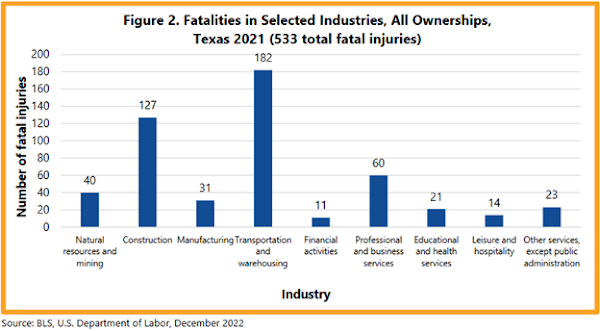
Construction is a strategic industry in the State of Texas due to the increasing population and growth of our major cities and industries. The ceaseless hum of heavy machinery, scaffolding-clad skyscrapers, and bustling construction sites tell a story of progress and growth. But along with progress and growth, there is the harsh reality of construction accidents causing catastrophic injury and wrongful death. The Texas construction industry faces the ever-present challenge of ensuring the safety of its workers.
At Miller Weisbrod Olesky, we understand the profound impact that construction accidents can have on workers, their families, and their livelihoods. Our construction accident attorneys are committed to advocating for the rights of the injured workers and ensuring they receive the maximum compensation they are entitled to under the law.
Construction Accident Lawyers Near Me
When your life or family has been turned upside down due to preventable construction accident, the construction accident lawyers at Miller Weisbrod Olesky can help provide a lifetime of help in the face of your tragedy.
A general contractor ignored its own requirements for safety training of a subcontractor workforce. As a result, our client never received training in how to properly use his fall protection equipment. Our client fell two stories and hit the ground because the equipment was hooked up improperly. He was left paralyzed. When the general contractor refused to tender their insurance limits, Construction Accident Attorney, Clay Miller tried the case in Texas, and obtained a verdict of $26,500,000, including $15,000,000 of punitive damages.

Serious Injuries & Accidents in the Construction Industry
While there have been significant advancements in construction safety equipment and training, the construction industry continues to have a reputation for its high level of danger, impacting its 11 million workers across the United States. To put this into perspective, roughly 20% of worker fatalities in the US are attributed to the construction sector, despite construction workers comprising merely 6% of the overall US labor force.
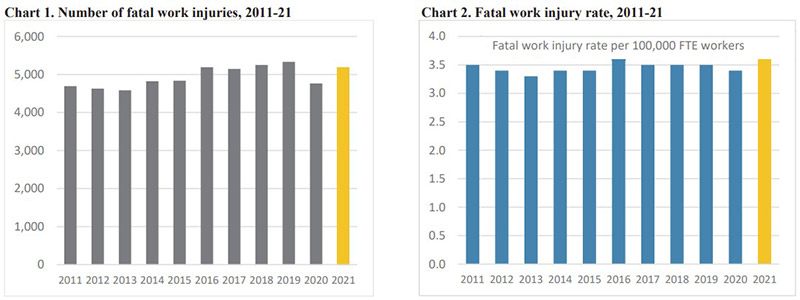
- According to data from the Bureau of Labor Statistics (BLS), as many as 1,008 construction workers lost their lives on the job in 2020.
- One of the notable trends, according to the CDC, has been the increase in fatalities among Hispanic construction workers, which surged by approximately 90% from 2011 to 2019.
- Construction workers face daunting odds, with a 1-in-200 chance of suffering a fatal injury over the span of a 45-year career, as reported by Safety & Health Magazine.
- The CDC reports that nearly half of all construction job-related deaths occur within companies having 10 or fewer employees.
- There were 106 workplace fatalities at road construction job sites reported to the Department of Transportation in 2010. Fatalities at road construction sites consistently account for 1.5% to 3% of all workplace fatalities annually.
These sobering statistics underscore the pressing need for enhanced construction safety measures, increased awareness, and unwavering commitment to protecting the lives of construction workers across the nation. When real and enforced safety measures are taken the number of catastrophic injuries and fatal construction accidents can be drastically reduced.
OSHA's Role in Prevention of Construction Accidents
The Occupational Safety and Health Administration (OSHA) is a federal agency responsible for setting and enforcing safety and health regulations in workplaces, including the construction industry. Here's how OSHA contributes to the prevention of construction accidents:
Regulatory Standards
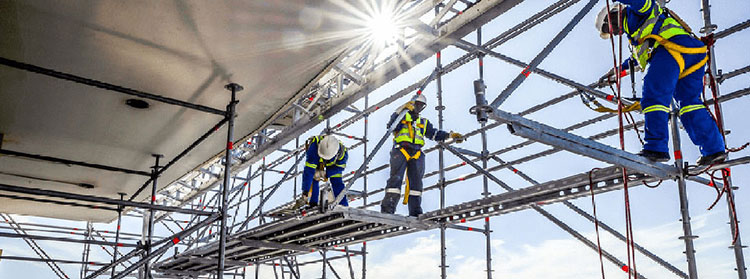
OSHA establishes and enforces worksite safety and health standards specifically tailored to the prevent construction accidents. These standards cover a wide range of topics, including fall protection, scaffolding, electrical safety, hazard communication, and more. Compliance with OSHA standards is mandatory for employers and general contractors in the construction sector.
Inspections
OSHA conducts inspections of construction sites to ensure compliance with construction safety regulations. Inspectors may visit sites in response to complaints, as part of a programmed inspection, or following accidents or fatalities (wrongful deaths). Regular inspections help identify and rectify safety hazards that can lead to serious work injury accidents.
Education and Training
OSHA provides educational resources and training programs to both employers and employees in the construction industry. This includes guidance on best practices, safety protocols, and how to comply with OSHA standards. OSHA's Outreach Training Program offers courses designed to raise awareness and reduce workplace hazards.
Safety Consultation
OSHA offers free on-site consultation services to small and medium-sized construction businesses. These consultations help employers identify potential hazards, improve safety programs, and ensure compliance with OSHA standards.
Reporting and Record Keeping
Employers are required to report severe injuries, fatalities, and workplace incidents to OSHA. OSHA maintains a record of these incidents, which helps identify trends and areas of concern, allowing for targeted interventions to prevent accidents.
Whistleblower Protection
OSHA enforces anti-retaliation provisions to protect employees who report safety violations or raise concerns about hazardous conditions at the construction site. This protection encourages employees to speak up without fear of retaliation.
Partnerships and Alliances
OSHA collaborates with industry associations, labor unions, and other organizations through partnerships and alliances. These initiatives aim to improve safety and health conditions in the construction industry by sharing best practices and promoting safety awareness.
Research and Innovation
OSHA invests in research to better understand emerging construction hazards and develop innovative solutions. This research informs the development of new safety standards and guidelines.
Enforcement Actions
When OSHA identifies violations of safety standards, it can take enforcement actions, which may include issuing citations, fines, and requiring corrective actions to address hazards. This enforcement incentivizes employers to prioritize safety.
Emergency Response
OSHA plays a role in emergency response efforts following major construction accidents or disasters. OSHA investigators assess the causes of accidents and provide recommendations to prevent similar incidents in the future.
When accidents happen on construction sites due to OSHA violations by general contractors, subcontractors, property owners, employers and other parties, lives can change in an instant. As the leading construction accident attorneys in Texas, Miller Weisbrod Olesky is here to help you overcome these challenging times. Our team possesses the legal skills and experience needed to hold negligent parties accountable and achieve the largest possible financial compensation you deserve for your injuries and losses.
How to Prevent Construction Accidents in Texas?
Preventing construction accidents in Texas requires a dedicated approach that prioritizes safety at every level of the construction process. Here are key steps to prevent construction accidents:
Safety Culture and Leadership
Safety culture and leadership are fundamental aspects of preventing construction accidents. They set the tone for the entire workforce and influence how safety is perceived and prioritized on a construction site.
OSHA 29 CFR 1926.20(b)(1): This standard emphasizes the responsibility of employers to establish and maintain a work site safety program that includes frequent and regular inspections to identify and correct safety hazards that can cause serious injury or even death.
OSHA 29 CFR 1926.21(b)(2): It requires employers on construction sites to instruct each employee in the recognition and avoidance of unsafe conditions and the safety regulations applicable to their work environment.
Here are key principles for fostering a strong safety culture and leadership in the construction industry:
- Lead by Example: Leaders at all levels, from executives to supervisors, should demonstrate a commitment to construction safety through their own actions and behaviors. This includes wearing appropriate PPE, following safety protocols, and actively participating in safety programs.
- Clear Safety Policies and Expectations: Develop and communicate clear safety policies, procedures, and expectations to all employees. Ensure that everyone understands their roles and responsibilities in maintaining a safe work environment.
- Employee Involvement: Encourage employees to actively participate in safety programs by reporting hazards, suggesting improvements, and engaging in safety discussions. Create a culture where workers feel comfortable speaking up about safety concerns before a serious injury or death occurs.
- Training and Education: Provide comprehensive construction safety training and education for all employees, including new hires and subcontractors. Regularly update training programs to address emerging hazards and industry best practices.
- Accountability: Hold individuals and teams accountable for work safety performance. Recognize and reward safe behaviors while addressing unsafe practices through corrective actions and coaching.
- Safety Communication: Establish open lines of communication for construction safety-related issues. Regularly communicate safety messages through meetings, safety alerts, and visual reminders. Encourage two-way communication between workers and management.
- Safety Committees: Form work site safety committees comprising representatives from various levels and departments within the organization. These committees can review safety performance, suggest improvements, and help in decision-making related to safety.
- Continuous Improvement: Continuously assess and improve construction safety processes and procedures. Regularly review incident reports and near misses to identify trends and implement preventive measures.
- Safety Resources: Allocate the necessary resources, including time, personnel, and equipment, to support safety initiatives. Ensure that employees have access to the tools and equipment needed to work safely.
- Emergency Preparedness: Develop and communicate emergency response plans, including evacuation procedures, first aid stations, and emergency contacts. Conduct drills to ensure everyone knows how to respond in case of an emergency.
- Feedback and Recognition: Provide constructive feedback and recognition for work site safety performance. Celebrate milestones and achievements in safety, reinforcing the importance of a strong safety culture.
- Leadership Training: Train leaders and supervisors in safety leadership skills, emphasizing their role in promoting and maintaining a safe work environment.
Training and Education
Training and education are fundamental components of construction accident prevention, ensuring that workers have the knowledge and skills necessary to work safely. Several relevant OSHA standards and regulations pertain to training and education in the construction industry:
OSHA 29 CFR 1926.21(b)(2): This standard requires employers to provide training to employees on recognizing and avoiding unsafe conditions and on regulations applicable to their work environment.
OSHA 29 CFR 1926.21(b)(3): It mandates employers to ensure that employees are competent in the specific operations they are assigned to perform. Competency can be achieved through training and education.
OSHA 29 CFR 1926 Subpart AA (Confined Spaces in Construction): This subpart outlines requirements for training employees on confined space entry procedures, hazards, and rescue operations.
OSHA 29 CFR 1926 Subpart L (Scaffolds): Subpart L includes specific training requirements for scaffold erection, use, and disassembly.
Here are key principles for effective training and education in construction safety:
- Identify Training Needs: Conduct a hazard assessment to identify the specific safety training needs for your workforce. Different job roles may require different training programs.
- Regular Orientation: Provide all new hires with a comprehensive safety orientation that covers general safety rules, emergency procedures, and specific hazards they may encounter on the job.
- Job-Specific Training: Ensure that workers receive job-specific training tailored to the tasks they perform. This should include hands-on training when appropriate.
- Competent Instructors: Select qualified instructors who have the expertise and experience to deliver effective safety training. Instructors should stay updated on current safety practices.
- Interactive Learning: Use a variety of teaching methods, including hands-on demonstrations, videos, and interactive activities, to engage learners and reinforce key safety concepts.
- Regular Refresher Training: Schedule regular refresher courses to keep workers informed about changes in safety regulations and to reinforce safe work practices.
- Language and Literacy: Accommodate workers with diverse language skills and literacy levels. Ensure that training materials are available in languages spoken by the workforce.
- Documentation: Maintain records of training sessions, including attendee lists, training materials, and test scores. Documentation serves as evidence of compliance.
- Emergency Response Training: Provide training on emergency response procedures, including first aid, CPR, and evacuation drills.
- Feedback and Evaluation: Encourage workers to provide feedback on the training program and use evaluations to assess the effectiveness of the training.
- Continuous Improvement: Periodically review and update training programs to incorporate new safety standards, technologies, and best practices.
- Communication: Clearly communicate the importance of safety training and the organization's commitment to worker safety.
If you or a loved one has been injured in a construction accident, take action now. Contact our dedicated construction accident lawyers for a free consultation and let us guide you toward the path to justice and financial recovery. You and your family deserve the powerful legal representation that Miller Weisbrod Olesky can provide. Call us today at (888) 987-0005 for a free case evaluation.
Hazard Identification and Assessment
Hazard identification and assessment are critical steps in preventing construction accidents. By recognizing potential hazards, employers can take proactive measures to mitigate risks and protect workers. Here are key principles for effective hazard identification and assessment in construction safety:
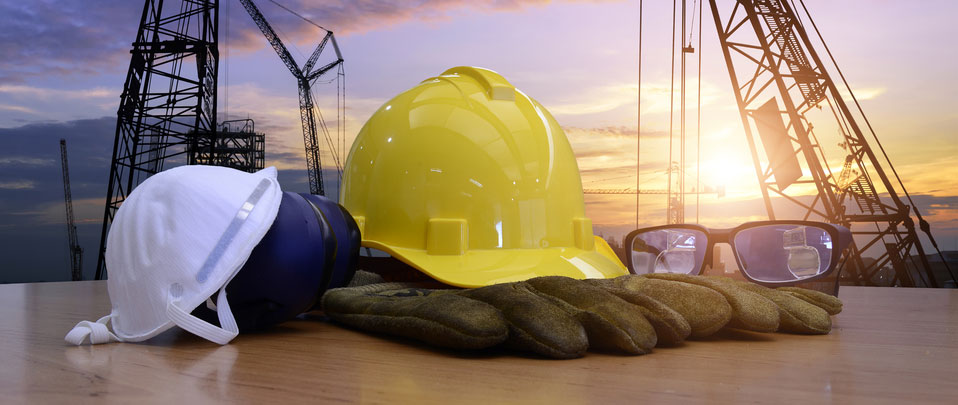
- Regular Site Inspections: Conduct regular inspections of construction sites, equipment, and materials to identify potential hazards. Inspections should be frequent and documented.
- Involve Workers: Encourage workers to actively participate in hazard identification. Workers on the front lines are often the best at recognizing potential dangers.
- Hazard Reporting: Establish a system for workers to report hazards or unsafe conditions promptly. Ensure that reports are taken seriously and addressed promptly.
- Safety Checklists: Use safety checklists or hazard assessment forms that prompt inspectors to look for specific hazards commonly found in construction work.
- Pre-Task Planning: Before commencing work, conduct pre-task planning sessions to identify potential hazards associated with the task. Workers should discuss safety measures and precautions.
- Job Safety Analysis (JSA): Perform Job Safety Analyses for high-risk tasks. JSAs involve breaking down a job into steps and identifying potential hazards for each step.
- Document Hazards: Document identified hazards, their locations, and recommended corrective actions. This documentation should be readily accessible to all workers.
- Prioritize Hazards: Prioritize hazards based on their severity and likelihood of occurrence. Address high-priority hazards first.
- Implement Controls: Implement control measures to eliminate or reduce identified hazards. This may involve engineering controls, administrative controls, or personal protective equipment (PPE).
- Review and Update: Periodically review and update hazard assessments to account for changes in the work environment, equipment, or processes.
- Training: Train workers to recognize and report hazards. Ensure they understand the importance of hazard identification and their role in maintaining a safe workplace.
- Communication: Communicate identified hazards and control measures to all workers, subcontractors, and relevant parties.
Use of Personal Protective Equipment (PPE)
The use of Personal Protective Equipment (PPE) is critical in preventing personal injury and death to construction workers from various workplace hazards. OSHA has established specific standards related to PPE in the construction industry, and adherence to these standards is essential for worker safety.
OSHA 29 CFR 1926.28: This standard outlines general requirements for the use of PPE, including the employer's responsibility to provide and ensure the use of appropriate PPE, as well as the worker's responsibility to use and maintain it properly.
OSHA 29 CFR 1926.95: This standard specifically addresses criteria for PPE selection, usage, and maintenance. It provides detailed information on different types of PPE, including eye and face protection, head protection, foot protection, and more.
Here are key principles for the effective use of Personal Protective Equipment (PPE) in construction:
- Assessment of Hazards: Identify workplace hazards that require PPE, such as falling objects, chemical exposure, respiratory hazards, or electrical risks.
- Selection of Appropriate PPE: Choose the correct types of PPE based on the specific hazards present. Ensure that PPE meets OSHA standards and provides adequate protection.
- Proper Fit: Ensure that PPE fits each worker correctly and comfortably. Ill-fitting PPE can compromise its effectiveness.
- Training and Education: Provide comprehensive training to workers on the proper use, care, and maintenance of PPE. Ensure they understand why and when PPE is necessary.
- Availability and Accessibility: Make sure that required PPE is readily available and easily accessible to all workers. Provide replacements for damaged or worn-out PPE.
- Regular Inspection and Maintenance: Establish procedures for inspecting and maintaining PPE. Regularly check for wear, damage, and functionality. Defective PPE should be repaired or replaced promptly.
- Enforcement: Enforce PPE usage consistently. Workers should be aware of the consequences of not using the required PPE.
- Head Protection: Ensure that all workers wear hard hats to protect against head injuries from falling objects or overhead hazards.
- Fall Protection: Use fall protection equipment, such as harnesses and lifelines, when working at heights or in elevated areas.
- High-Visibility Clothing: In situations where visibility is crucial, provide high-visibility clothing to workers to enhance their visibility to others on the construction site.
- Recordkeeping: Maintain records of PPE training, inspections, and usage as required by OSHA standards.
Fall Prevention
Fall prevention is a critical aspect of construction safety, considering the elevated work environments commonly found in the industry. OSHA has established specific standards and regulations to address fall protection in construction.
OSHA 29 CFR 1926.501: This standard deals with fall protection in construction. It outlines the requirements for fall protection systems, including guardrail systems, safety net systems, and personal fall arrest systems (PFAS).
OSHA 29 CFR 1926.503: This standard addresses training requirements for workers who may be exposed to fall hazards. It covers the proper use of fall protection equipment, recognizing fall hazards, and other relevant topics.
Here are key principles and practices for fall prevention in construction:
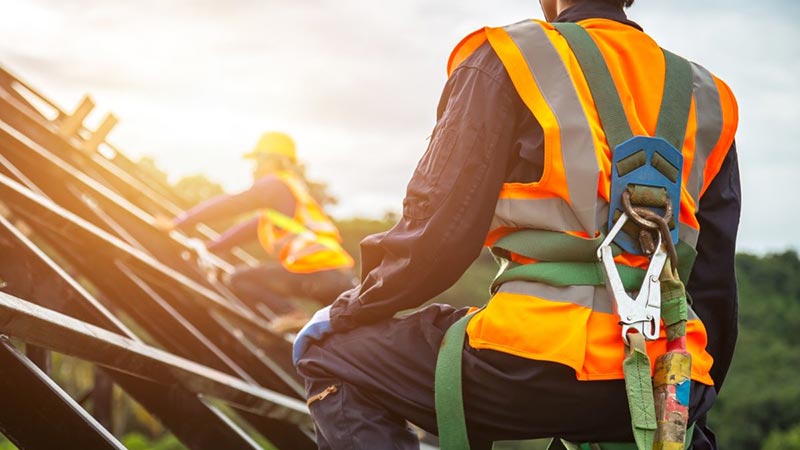
- Hazard Assessment: Conduct a thorough hazard assessment to identify locations and tasks with fall hazards. Assess each job site and task for potential fall risks.
- Guardrails and Safety Nets: Install guardrails and safety nets where feasible to prevent falls. Ensure that they meet OSHA requirements for strength and construction.
- Personal Fall Arrest Systems (PFAS): Use personal fall arrest systems when other methods of fall prevention are not feasible. PFAS includes a full-body harness, a lanyard, and an anchor point. Ensure proper fit, inspection, and use.
- Scaffold Safety: Follow OSHA regulations for scaffold safety, including guardrails, fall arrest systems, and regular inspections.
- Ladder Safety: Choose the appropriate ladder for the task, ensure it is in good condition, and set it up correctly. Use ladder accessories such as stabilizers or ladder levelers when needed.
- Roof Work: Implement safety measures for roof work, including using roof brackets, guardrails, safety nets, and PFAS as appropriate.
- Hole and Opening Protection: Guard or cover holes and openings in floors or surfaces to prevent falls. Use warning signs or barricades where necessary.
- Training: Provide fall prevention training for all workers who may be exposed to fall hazards. Training should cover fall protection equipment usage, recognizing hazards, and emergency response.
- Equipment Inspection: Regularly inspect fall protection equipment for wear, damage, or defects. Damaged equipment should be removed from service immediately.
- Fall Protection Plans: Develop site-specific fall protection plans for projects with significant fall hazards. These plans should outline procedures, equipment usage, and emergency response.
- Anchorage Points: Ensure that anchor points for personal fall arrest systems are capable of supporting at least 5,000 pounds per worker attached. Anchor points should be inspected and certified by a qualified person.
- Emergency Response: Establish emergency response procedures for fall incidents, including rescue plans for workers who may become suspended in personal fall arrest systems.
Electrical Safety
Electrical safety is of paramount importance in the construction industry due to the frequent use of electrical equipment and systems. OSHA has established specific standards and regulations to address electrical safety in construction.
OSHA 29 CFR 1926 Subpart K (Electrical): Subpart K encompasses various regulations pertaining to electrical safety in construction, covering topics such as wiring methods, equipment grounding, and safety-related work practices.
Here are key principles and practices for electrical safety in construction:
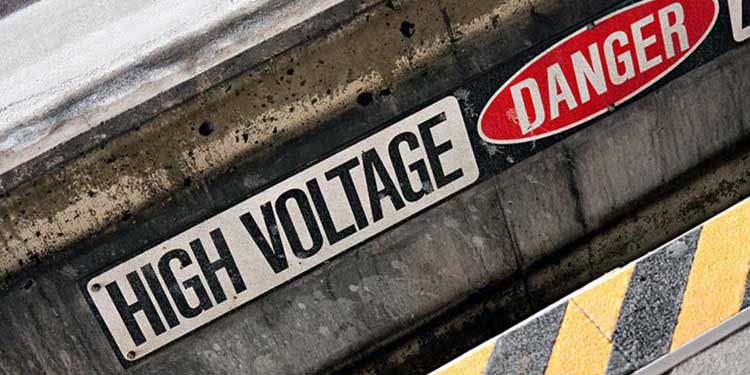
- Hazard Identification: Identify electrical hazards, such as exposed wires, damaged equipment, or wet conditions, before starting work. Conduct hazard assessments and take appropriate precautions.
- Qualified Personnel: Ensure that only qualified electrical workers perform electrical work. These workers should have the necessary training and experience.
- Lockout/Tagout: Implement lockout/tagout procedures to de-energize electrical equipment before performing maintenance or repairs. Follow OSHA's Control of Hazardous Energy (Lockout/Tagout) standard (29 CFR 1910.147).
- GFCI Protection: Use Ground Fault Circuit Interrupters (GFCIs) for all electrical equipment used in wet or damp conditions. GFCIs quickly shut off power when they detect a ground fault.
- Proper Wiring: Ensure that wiring is installed correctly, following OSHA standards and the National Electrical Code (NEC). Avoid overloading circuits.
- Grounding: Ground electrical systems and equipment as required. Grounding helps prevent electrical shock and fire hazards.
- Safe Distances: Maintain safe distances from overhead power lines and electrical equipment. OSHA provides specific clearance requirements for different voltages.
- PPE: Provide and require the use of appropriate personal protective equipment (PPE), such as rubber gloves and electrical hazard-rated clothing, when working with electricity.
- Training: Provide electrical safety training to workers, including recognizing electrical hazards, using electrical equipment safely, and responding to electrical emergencies.
- Equipment Inspection: Regularly inspect electrical equipment, cords, and plugs for damage or wear. Damaged equipment should be removed from service immediately.
- Ground-Fault Protection: Install ground-fault protection for temporary power and lighting circuits to prevent electrical shock hazards.
- Emergency Response: Establish emergency response procedures for electrical incidents, including how to provide first aid and seek medical attention for electrical shock victims.
- Qualified Electrical Safety Program: Develop and implement a comprehensive electrical safety program that includes policies, procedures, and regular safety audits.
Equipment Safety
Equipment safety is a vital aspect of construction safety, as construction sites often involve the use of heavy machinery and equipment. Here are relevant OSHA standards and guidelines related to equipment safety in construction:
OSHA 29 CFR 1926.600-606: These standards address various aspects of equipment safety, including specifications for cranes and derricks, aerial lifts, excavations, and other types of equipment used in construction.
OSHA 29 CFR 1926 Subpart CC (Cranes and Derricks in Construction): This subpart provides detailed requirements for the safe operation of cranes and derricks, including operator certification, equipment inspections, and signal person qualifications.
Here are key principles and practices for equipment safety in construction:
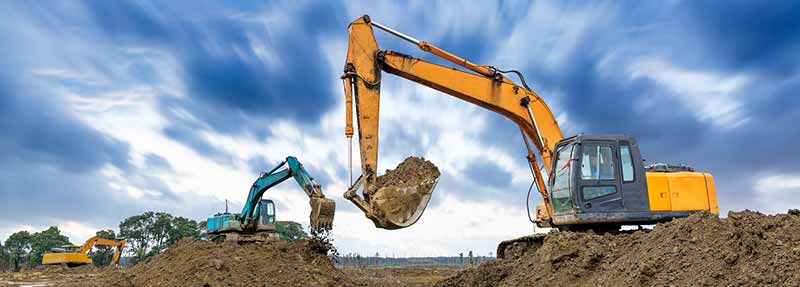
- Equipment Inspection: Regularly inspect all construction equipment before use to ensure it is in proper working condition. Inspect for signs of wear, damage, or malfunction.
- Operator Training: Ensure that operators of heavy machinery and equipment are properly trained and qualified. Follow OSHA's training requirements for specific types of equipment.
- Licensing and Certification: Comply with OSHA's requirements for operator certification, particularly for equipment such as cranes and forklifts. Only licensed and certified operators should operate this equipment.
- Safe Operating Procedures: Develop and enforce safe operating procedures for each type of equipment used on the construction site. Ensure that operators follow manufacturer guidelines.
- Load Limits: Adhere to load limits specified by equipment manufacturers. Overloading equipment can lead to accidents and equipment failure.
- Fall Protection: Provide fall protection measures, such as guardrails or personal fall arrest systems, for workers operating equipment at heights or near edges.
- Traffic Control: Establish clear traffic control plans to separate construction vehicles and pedestrians. Use flaggers and proper signage to manage traffic in work zones.
- Maintenance: Implement a regular maintenance and inspection program to keep equipment in optimal condition. Address any issues promptly.
- Proper Use of Attachments: Ensure that attachments and accessories used with equipment are appropriate and properly installed.
- Emergency Procedures: Establish emergency response procedures for equipment-related incidents. This includes how to shut down equipment in emergencies and provide first aid.
- Lockout/Tagout: Comply with lockout/tagout procedures when maintenance or repairs are needed. De-energize equipment and machinery before performing work.
- Communication: Promote effective communication between equipment operators, spotters, and other workers on the construction site.
- Training Records: Maintain records of equipment operator training and certification as required by OSHA.
General Contractor, Subcontractor and Vendor Compliance
Subcontractor and vendor compliance are critical aspects of construction site safety, as subcontractors and vendors often work alongside or in collaboration with the primary construction contractor. While OSHA does not have a specific standard solely dedicated to subcontractor and vendor compliance, several OSHA standards and guidelines pertain to the responsibilities of general contractors and employers in managing subcontractors and vendors.
OSHA 29 CFR 1926.16: This standard requires employers to establish and implement programs for the safe and healthful working conditions of their employees. General contractors are responsible for ensuring the safety of subcontractors and vendors on their worksites.
OSHA 29 CFR 1926.21: This standard outlines the safety training and education requirements for workers and employers in the construction industry. It includes provisions for training employees of other employers working on the same site.
OSHA 29 CFR 1926.600: This standard includes requirements for safety training and education related to equipment operation, maintenance, and repair. General contractors are responsible for ensuring that subcontractor equipment operators are trained and qualified.
Here are key principles and practices for subcontractor and vendor compliance on construction sites in Texas:
- Contractual Agreements: Establish clear contractual agreements that outline safety responsibilities and expectations for subcontractors and vendors. Include specific requirements for safety training, equipment operation, and compliance with OSHA standards.
- Prequalification: Before hiring subcontractors and vendors, assess their safety performance, training, and compliance history. Select reputable and safety-conscious partners.
- Safety Orientation: Provide subcontractors and vendors with a comprehensive safety orientation specific to the construction site. Ensure that they understand site-specific hazards and safety protocols.
- Safety Plans: Require subcontractors and vendors to develop and implement site-specific safety plans that align with the overall project's safety requirements.
- Communication: Maintain open and clear lines of communication with subcontractors and vendors regarding safety expectations, changes in site conditions, and incidents.
- Equipment Safety: Ensure that subcontractors' equipment and machinery meet safety standards and are properly maintained. Verify the qualifications of equipment operators.
- Training: Collaborate with subcontractors and vendors to provide appropriate safety training for their employees, including hazard recognition, emergency response, and the proper use of personal protective equipment (PPE).
- Regular Inspections: Conduct regular safety inspections of subcontractors' work areas to identify and address potential hazards.
- Incident Reporting: Establish clear procedures for reporting incidents, near misses, and unsafe conditions. Investigate incidents and implement corrective actions as necessary.
- Documentation: Maintain records of safety training, inspections, and compliance assessments for subcontractors and vendors.
- Enforcement: Enforce safety compliance through contractual obligations and collaboration with subcontractors and vendors. Address non-compliance promptly.
- Continuous Improvement: Encourage continuous improvement of safety practices and collaboration between general contractors, subcontractors, and vendors.
In the aftermath of a construction accident in Texas, your life can turn upside down in an instant. Amidst the chaos and uncertainty, you need a team of dedicated legal professionals who understand the complexities of construction accident cases and are determined to fight for your rights.
At Miller Weisbrod Olesky, our skilled and resourceful construction accident attorneys will investigate and identify all the negligent parties, prove their liability based on hard evidence, and negotiate strongly with the insurance companies while remaining fully prepared to go to trial if necessary. Call (888) 987-0005 to schedule a free consultation. You don’t have to pay us anything unless and until we obtain financial compensation for you.
The Leader In Construction Accident Litigation

With a 30-year history heading the Construction Accident Department of Miller Weisbrod Olesky, firm partner Clay Miller has a proven record of holding construction companies accountable and achieving multi-million dollar settlements and court verdicts for his clients. Clay has handled construction accident cases in all major cities in Texas and numerous smaller counties. In one recent trial, Clay won a construction accident verdict of $26,500,000 for his client who suffered a spinal cord injury after a construction accident fall.
Clay has been consistently listed in Super Lawyers as one of the Best Lawyers in Texas, published in Texas Monthly, for over 15 years.
Clay is a past president of the Dallas Trial Lawyers’ Association and served as Chair of the Advocates for the Texas Trial Lawyer Association where he continues to serve on the board of directions. Clay is also a member of the elite American Board of Trial Advocates (ABOTA) limited to a select group of trial lawyers who have tried to a jury verdict a significant number of cases and who are recognized for their professionalism.
Clay is regularly invited to speak to Trial Lawyer Groups around Dallas, Houston, San Antonio, Austin, and across the state of Texas on the topics of construction accidents, trial tactics in complex construction cases and techniques to investigate and gather evidence in construction accidents, picking a jury in construction accident cases, as well as how to prepare a winning legal and trial strategy in Construction Accident Cases throughout Texas.
Our construction accident legal team includes Josh Birmingham, who is currently on the Dallas Trial Lawyers Board of Directors and served as the president of the Mesquite Bar Association for four years. Josh was named Thomson Reuters | Texas Super Lawyers Rising Star in 2016 and 2017.
We also have on our team Michael Orth, a board certified personal injury trial lawyer who has spent the last decade representing injured Texans and their families. Michael’s success in scores of personal injury cases across federal and state courtrooms has earned him the coveted Board Certification in Personal Injury Trial Law by the Texas Board of Legal Specialization.
Led by a formidable legal team with an extraordinary record of court verdicts and settlements in construction accident cases, Miller Weisbrod Olesky is regularly recognized by the US News and World Report as one of the top injury law firms in the United States.
Miller Weisbrod Olesky Texas Construction Accident Lawyers

Miller Weisbrod Olesky
Miller Weisbrod Olesky's Personal Injury Lawyers help individuals and families nationwide pursue real financial recovery after another's negligence causes an accident or medical mistake that results in serious personal injury or wrongful death.
Call our offices today at (888) 987-0005 for experienced assistance in a free consultation.
Useful Links
Testimonials
- Ms. Rosen: Mr. Weisbrod did a wonderful job on my son's case. I only wished that I had come to him sooner.
- A. Springs: Mr. Weisbrod was a delight to work with. His knowledge and memory was exceptional. He treated my case with sensitivity and care and I was always confident and never doubtful that he would win my case.
- D. Garcia: Whether you're in Dallas, Houston, or Austin, across Texas or around the nation, putting Miller Weisbrod Olesky on your legal team will push parties to settle.
Locations
★ Dallas
11551 Forest Central Drive, Suite 300
Dallas, TX 75243
★ Houston
12929 Gulf Freeway, Ste 111
Houston, TX 77034